2026 Best Compact Motor for Global Buyers?

Time:2026-09-12 Author:Madeline
0%

Choosing the 2026 Best Compact Motor for Global Buyers requires more than comparing speed, torque, and price. Real applications expose hidden differences.

A Compact Motor may power a medical pump, warehouse robot, camera gimbal, or battery cooling fan. Each application demands a different balance. Buyers should examine continuous torque, peak torque, efficiency, vibration, noise, thermal limits, and service life. A motor that looks powerful on paper may overheat inside a sealed enclosure. That mistake is common.

Dr. Duane Hanselman, author of Brushless Permanent-Magnet Motor Design, offers a useful engineering principle: “There is no single best motor; the best choice depends on the application.” This idea remains important for international purchasing teams. Voltage compatibility, controller availability, mounting dimensions, insulation ratings, and documentation can influence the final decision. So can regional support.

A reliable supplier should provide test data, dimensional drawings, operating curves, and traceable quality information. Certifications should match the target market and the complete drive system, not only the motor label. Buyers should also ask about samples, replacement parts, lead times, and warranty procedures.

Small details matter.

A quiet motor can improve a laboratory instrument. A stronger bearing may protect a conveyor in dusty conditions. A lower-cost model may fail earlier, creating greater expense. Still, specifications do not tell the whole story. Field testing can reveal unexpected noise, heat, or control instability. The best choice is therefore not always the smallest or cheapest Compact Motor. It is the motor that performs reliably within the buyer’s real mechanical, electrical, and environmental conditions.
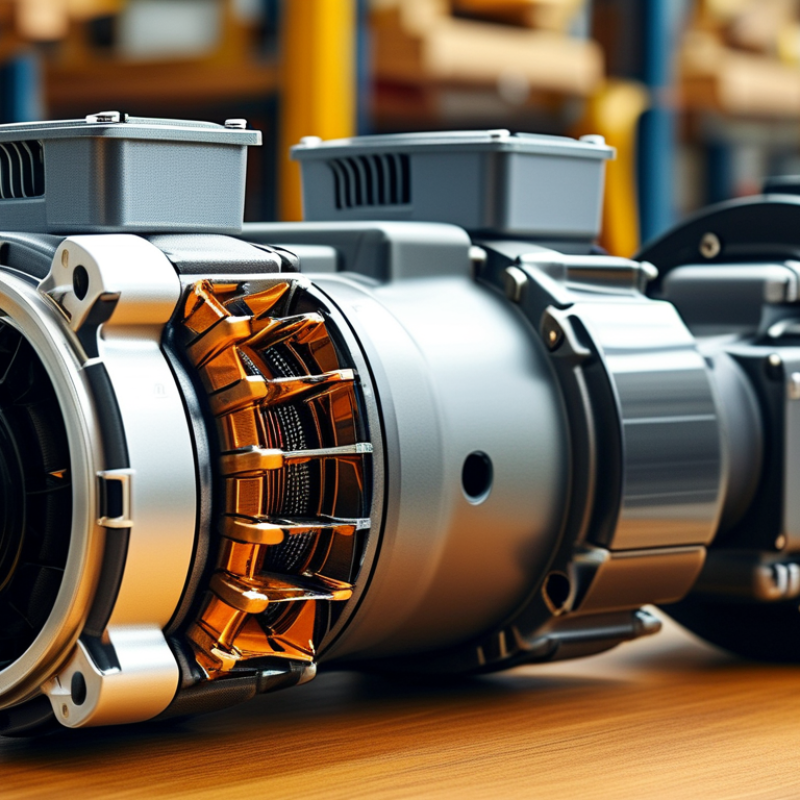
2026 Best Compact Motor for Global Buyers?

What Is a Compact Motor and Why Does It Matter in 2026?

A compact motor is not simply a smaller motor. It is a space-efficient drive unit designed for equipment with tight installation limits. Some models combine the motor, controller, sensors, and cooling system in one housing. There is no universal size definition, however. That detail matters.

In 2026, compact motors matter because machines are becoming smaller, connected, and more energy-conscious. The International Energy Agency reports that electric motor systems consume roughly half of global electricity. Even modest efficiency gains can therefore reduce operating costs at scale. IEC 60034-30-1 also provides global efficiency classes, helping buyers compare performance more consistently. Still, a compact design may create more heat. Smaller does not automatically mean better.

Tips: Check rated torque, duty cycle, voltage, frequency, noise, ingress protection, and service access. Ask for tested efficiency data, not only catalogue claims. Confirm local certification requirements before ordering. A motor that fits physically may fail thermally. That mistake is common.

Global buyers should also examine spare-part availability and control compatibility. A compact motor for a conveyor may need continuous-duty performance, while a robotic joint may require fast acceleration and precise feedback. The right choice depends on the application, not the smallest footprint. Energy efficiency, repairability, and lifetime cost deserve equal attention. Industry forecasts often emphasize market growth, but forecasts can change quickly. Actual operating conditions remain the harder truth.

How to Compare Compact Motor Types for Global Applications

Choosing the best compact motor for global buyers in 2026 requires more than comparing size and price. The motor type must match the application, duty cycle, voltage, and operating environment. A brushed DC motor can offer simple control and low initial cost. However, brush wear may increase maintenance in continuous operation. Brushless DC motors usually provide longer service life and quieter performance. They also require suitable electronic control.

Stepper motors are useful when positioning accuracy matters, such as in compact pumps, medical instruments, or automated valves. Their performance can drop under excessive acceleration or sudden load changes. Small induction motors suit steady-speed equipment, but they may need more installation space and starting current. Measure real torque at operating temperature, not only the catalog value. This detail is often missed.

Global applications add another layer. Check input voltage ranges, frequency compatibility, insulation class, ingress protection, and recognized safety testing. Confirm whether replacement parts and technical support are available in the target market. A motor that performs well in a cool workshop may overheat inside a sealed cabinet at 45°C. Leave thermal margin. Do not treat it as optional.

Testing should include startup, stall protection, vibration, noise, and repeated load changes. Sample units from production, not only engineering prototypes. My own comparison work has shown that the smallest motor is rarely the most economical choice. A slightly larger housing can improve cooling, reliability, and service access. Cost assumptions deserve another review.

Which Specifications Define the Best Compact Motor?

The best compact motor is defined by usable specifications, not a small housing alone. Torque at the required speed comes first. A motor that stalls under a 2-kilogram load is not compact; it is undersized. Check continuous torque, starting torque, speed range, and duty cycle together. Intermittent ratings can hide overheating. Measure the heat.

Efficiency also deserves careful attention. The IEA’s 4E Electric Motor Systems Annex reports that motor systems consume about 53% of global electricity. The U.S. Department of Energy’s motor systems assessment places motor-driven equipment near 70% of industrial electricity use. These figures make efficiency more than a marketing detail. Compare tested efficiency at 25%, 50%, and 100% load, because real machines rarely operate at full load. IEC 60034-30-1 efficiency classes provide a useful comparison framework.

Global buyers should verify voltage, frequency, insulation class, IP protection, noise, and operating temperature. An IP rating suited to a dry laboratory may fail beside dust, oil, or washdown water. Thermal margins matter even more in a sealed compact frame. I have seen buyers choose lower purchase prices, then pay through premature bearing wear and difficult servicing. That shortcut remains tempting. It is also incomplete. Ask for test conditions, tolerances, vibration limits, and spare-part availability. A datasheet cannot reveal every installation problem, but vague data usually creates more risk.

How to Evaluate Efficiency, Reliability, and Operating Costs

2026 Best Compact Motor for Global Buyers?

How to Evaluate Efficiency, Reliability, and Operating Costs

Selecting a compact motor requires more than comparing rated power or purchase price. The best choice matches its real duty cycle, load pattern, ambient temperature, and available power supply.

In field evaluations, efficiency should be measured under typical loads, not only ideal conditions. A motor drawing less current can still waste energy through heat, poor control, or frequent overloads. Check efficiency curves, starting current, speed stability, and temperature rise. Short tests help, but longer trials reveal more. My first cost estimate was too optimistic because it ignored standby hours and cooling requirements.

Reliability depends on construction details and maintenance access. Review bearing ratings, insulation class, ingress protection, vibration performance, and expected service intervals. Ask for documented test results and traceable quality records. A sealed housing may resist dust, yet it can make repairs slower and more expensive. That trade-off matters.

Operating cost includes electricity, replacement parts, downtime, shipping, installation, and technician time. Calculate costs across several years, using local energy rates and realistic operating hours. For global buyers, confirm voltage options, frequency compatibility, spare-part availability, and technical support in the destination market. Cheap upfront pricing can become expensive after one avoidable failure. Small details matter.

How to Choose a Compact Motor for Different Markets and Uses

Choosing the best compact motor in 2026 starts with the market, not the catalog. A motor for a 230-volt workshop may fail in a 110-volt installation. Check voltage, frequency, phase, connector type, and local certification before comparing price. The International Energy Agency reports that electric motor systems consume roughly 46% of global electricity. Small efficiency gains can therefore reduce operating costs across large fleets.

Match the motor to its real workload. A conveyor needs steady torque, while a medical pump may require low vibration and quiet operation. Review starting torque, continuous duty, speed range, thermal limits, and expected operating hours. IEC 60034-30-1 efficiency classes help create a fair comparison. However, an efficient motor can still be a poor choice if its controller wastes energy or its cooling path is blocked. I have seen compact units run well on a test bench, then overheat inside a sealed enclosure. Specifications do not tell the whole story.

Tips: Ask for a duty-cycle test, not only rated power. Confirm ambient temperature, altitude, ingress protection, and replacement availability. For export projects, keep drawings and test records in a shared format. A compact frame saves space, but it may reduce heat-dissipation capacity. That trade-off deserves a second review. Also, do not assume one design suits every region; local installers often reveal practical issues that laboratory data misses.

FAQS

What is a compact motor?

A compact motor is a space-efficient drive unit for equipment with limited installation space. Some models combine the motor, controller, sensors, and cooling system. There is no universal size definition. Check the complete housing dimensions.

Why do compact motors matter in 2026?

Machines are becoming smaller, connected, and more energy-conscious. Motor systems use a large share of global electricity. Small efficiency gains can reduce operating costs. Smaller is not always better.

Which motor type suits a compact application?

Brushed motors offer simple control and lower initial cost. Brush wear may increase maintenance during continuous operation. Brushless motors usually run quieter and last longer. Stepper motors suit accurate positioning. Small induction motors suit steady-speed equipment.

Which specifications should buyers compare?

Compare continuous torque, starting torque, speed range, and duty cycle. Check voltage, frequency, insulation class, noise, and ingress protection. Confirm operating temperature and service access. Torque comes first.

How can buyers prevent overheating?

Measure torque at the actual operating temperature. A sealed cabinet can become very hot. A motor suitable at 20°C may struggle at 45°C. Leave thermal margin. Do not treat it as optional.

How important is efficiency when selecting a compact motor?

Efficiency affects energy use, heat, and lifetime operating cost. Request tested results at 25%, 50%, and 100% load. Real machines rarely operate at full load. Catalogue claims need verification.

What testing should a compact motor complete?

Testing should include startup, stall protection, vibration, noise, and repeated load changes. Evaluate samples from normal production, not only prototypes. Check performance under realistic loads. This step is often missed.

What should global buyers verify before ordering?

Confirm input voltage, frequency, safety testing, spare parts, and technical support. Check compatibility with the existing controller. Review local certification requirements. Physical fit is not enough.

Is the smallest motor usually the most economical choice?

Not necessarily. A slightly larger housing may improve cooling and service access. Lower purchase cost can lead to bearing wear and difficult repairs. I have seen this shortcut fail. The decision deserves another review.

Conclusion

In 2026, the Compact Motor remains an important solution for equipment designers and global buyers seeking smaller, lighter, and more energy-efficient drive systems. This article explains what makes a motor “compact,” why size, performance, and integration matter, and how different motor types can serve applications such as automation, appliances, medical equipment, mobility systems, and industrial machinery. It compares key options according to power output, torque, speed range, control requirements, installation space, and compatibility with local electrical standards.

The guide also examines the specifications that define a high-quality Compact Motor, including efficiency, thermal performance, noise, vibration, protection level, service life, and maintenance needs. Buyers will learn how to evaluate total operating costs rather than focusing only on purchase price, while considering reliability, energy consumption, spare parts, technical support, and environmental conditions. Finally, it provides a practical framework for selecting the right motor for different markets and uses, helping organizations balance performance, durability, compliance, and long-term value.

Madeline

Madeline

Madeline is a dedicated marketing professional with a wealth of expertise in our company's core offerings. With a keen understanding of the industry, she brings a unique perspective to her role, consistently delivering high-quality content that highlights the superior aspects of our products. As......