Choosing the right gear reduction for your business is crucial. Gear reduction affects efficiency and performance. Whether in manufacturing or logistics, understanding its role is essential.
Gear reduction involves adjusting the speed and torque of a motor. A powerful gear reduction can enhance productivity. However, not every business needs the same level. Evaluating requirements is necessary. Overestimating gear requirements can lead to overspending.
Finding the right balance can be challenging. Experts suggest analyzing operational needs carefully. Consider factors like load requirements and system compatibility. This reflection can help avoid costly mistakes and improve reliability in your processes.
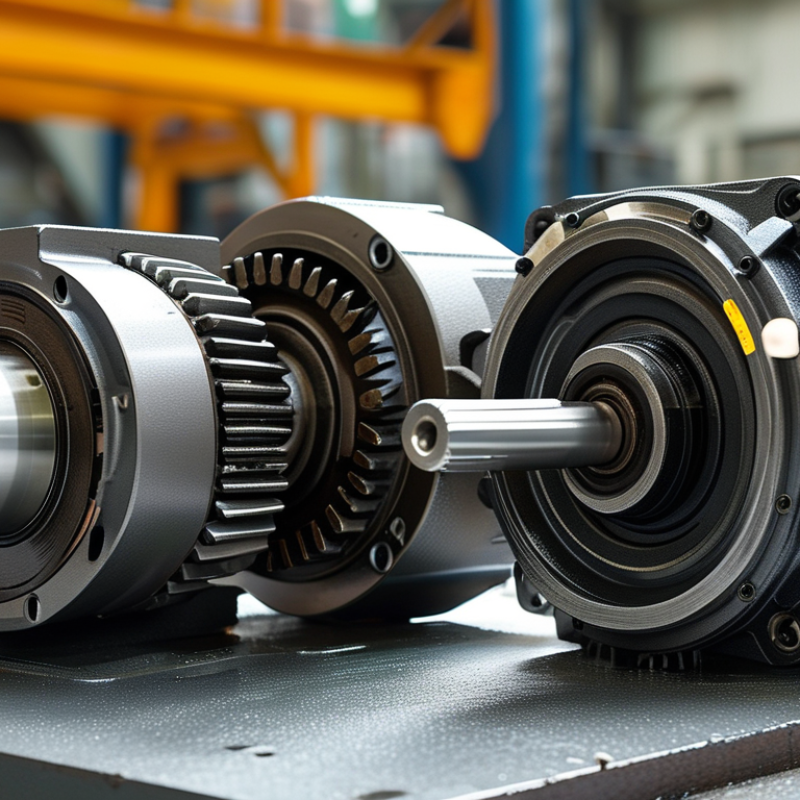
Understanding gear reduction is essential for various businesses. It directly impacts efficiency and performance. Gear reduction refers to the process of reducing speed while increasing torque. This relationship is crucial for machinery, especially in manufacturing and heavy industries. Choosing the right gear reduction can improve productivity. However, most business owners overlook this critical aspect.
In a practical sense, let’s consider a conveyor system. A well-selected gear reduction can enhance load movement. Without proper gear reduction, the system may struggle under heavy loads. It can lead to mechanical failures or inefficiencies. However, not every situation requires maximum torque. Finding a balance is key.
Mistakes in selecting gear ratios can be costly. Businesses might face increased energy consumption and maintenance issues. It is vital to assess operational needs. Analyze your equipment and its demands. Conducting these evaluations may reveal flaws in your current systems. Continuous reflection on gear choice leads to informed decisions. Remember, gear reduction shapes the future of your operations.
| Dimension | Description | Importance | Common Use Cases |
|---|---|---|---|
| Gear Ratio | The ratio between the number of teeth on two gears | Determines speed and torque output | Used in vehicles and machinery |
| Efficiency | The ratio of output power to input power | Affects operational costs and performance | Applicable in various engineering fields |
| Material Type | The substance from which the gear is made | Influences durability and weight | Used in manufacturing and automation |
| Load Capacity | Maximum load a gear can handle | Critical for safety and equipment longevity | Common in heavy machinery |
| Cost | The price of the gear system | Affects budgeting and project viability | Relevant in equipment procurement |
When selecting gear reduction for your operations, it's essential to consider several key factors to ensure optimal performance. The first is the load capacity. Understand the weight and torque your equipment will handle. This knowledge helps in choosing a gear reduction that matches or exceeds these requirements. Each industry has unique demands, and failing to evaluate the load can lead to premature wear or failure.
Another important factor is the speed ratio. Different applications require different speeds. A high speed ratio may be beneficial for some operations, while others may need a slower gear reduction for precision tasks. Analyze the nature of your work. Reflect on how speed impacts your processes. Sometimes, the ideal option isn't the most obvious one; slower speeds can enhance control and accuracy.
Finally, consider the environment where the gear reduction will operate. Exposure to dirt, moisture, or extreme temperatures can affect performance. Evaluate your specific conditions. Choose a reduction that can withstand these factors without compromising efficiency. It’s worth noting that gear systems can sometimes underperform in harsh environments. A thorough assessment will save you from costly downtime in the future.
When selecting gear reduction systems, understanding their types, advantages, and disadvantages is crucial for your business. Gear reductions can vary significantly. Common types include worm gears, planetary gears, and helical gears. Each type has its own set of benefits and challenges.
Worm gears, for example, are known for their compactness and ability to provide high torque at low speeds. They are simple to install and operate. However, they can have lower efficiency and might generate more heat.
In contrast, planetary gears offer excellent power density and efficiency, making them ideal for high-performance applications. Yet, they can be more complex to manufacture and require precise alignment.
Consider these tips when making your decision. Evaluate your specific power and speed requirements, as this will help determine which gear type suits your needs. Analyze the durability and maintenance needs of each system. While some may offer low upfront costs, their lifetime maintenance can add significant expenses.
It’s worth pondering how scalability fits into your plans; will the system adapt to future business growth? This reflection ensures you select a gear reduction system that aligns with both your current and future operational needs.
When evaluating gear reduction choices, performance and efficiency are crucial factors. Gear reduction can significantly impact power transfer in machinery. Properly selected gear systems enhance output while minimizing energy losses. Consider the torque needs in your applications. Miscalculating torque requirements can lead to inefficient operations.
Efficiency often hinges on gear material and design. High-quality materials yield durability and reduce wear. However, higher initial costs might not always guarantee long-term savings. Sometimes, cheaper alternatives can perform surprisingly well in specific contexts. Evaluate your environment and workload to make informed decisions.
Reflect on the application's demands. Are you prioritizing speed or torque? Think about the consequences of your choice. Overestimating gear reduction can lead to wasted resources and reduced lifespan. Performance issues might arise when the system is under strain. Choosing the right gear is not just about what looks good on paper; it requires real-world testing and adjustments. Always remain open to re-evaluating your options as your business grows or changes.
This chart illustrates the efficiency and performance scores of various gear reduction ratios. A higher gear ratio typically results in increased efficiency, helping businesses make informed decisions when selecting the appropriate gear reduction for their operational needs.
When budgeting for gear reduction systems, understanding the cost implications is crucial. Professional reports indicate that improper selection can lead to up to a 30% increase in operational costs. An effective gear reduction setup is not just about initial costs. Long-term savings from efficiency gains should also be factored in.
Companies should consider the total cost of ownership (TCO) for gear systems. This includes not only the purchase price but also installation, maintenance, and operational efficiency. Industry data shows that maintenance costs can account for 15-20% of total gear operating costs annually. Selecting the right gear ratio can significantly reduce wear and tear, leading to lower maintenance expenses.
While it's tempting to choose the lowest upfront cost, this strategy can backfire. Inadequate gear systems can lead to underperformance and increased downtime. Organizations may find themselves spending more on replacements and repairs. Evaluating long-term performance and reliability often presents a clearer financial picture. Balancing initial investment with expected efficiency is key to achieving sustainable growth.
: Common types include worm gears, planetary gears, and helical gears. Each serves different needs.
Worm gears are compact and provide high torque at low speeds. They are easy to install.
They can have lower efficiency and might generate more heat during operation.
Planetary gears offer excellent power density, making them suitable for high-performance applications.
They are more complex to manufacture and require precise alignment for optimal performance.
Consider power, speed requirements, and maintenance needs. Analyze both current and future demands.
Gear material and design play crucial roles in performance and minimizing energy losses.
Yes, sometimes less expensive alternatives perform well in specific applications. Context matters.
Miscalculating torque can lead to inefficient operations and increased wear on the system.
Real-world testing helps identify performance issues and allows adjustments based on actual workloads.
In the article "How to Choose Gear Reduction for Your Business Needs?", the concept of gear reduction is explored in depth, highlighting its significance in various business operations. Gear reduction helps optimize performance by adjusting torque and speed, which is crucial for machinery and equipment efficiency. When selecting the appropriate gear reduction system, factors such as operational requirements, environmental conditions, and maintenance considerations must be evaluated.
Different types of gear reduction systems are presented, each with its own set of advantages and disadvantages, allowing businesses to make informed choices. Additionally, the article emphasizes the importance of evaluating performance and efficiency to ensure that the selected gear reduction aligns with organizational goals. A thorough cost analysis is also discussed, guiding businesses in budgeting effectively for their gear reduction needs. Overall, a thoughtful approach to gear reduction selection can significantly enhance operational productivity and cost-effectiveness.
