Top Tips for Choosing the Right DC Micro Vibration Motor?

Time:2026-08-08 Author:Ethan
0%

Choosing the right DC Micro Vibration Motor can be daunting, given the vast options available. These tiny motors play a crucial role in many applications, from mobile phones to medical devices. Selecting the wrong motor may lead to performance issues or increased costs.

Understanding key features is essential. Consider factors like size, voltage, and vibration frequency. Each feature influences how effectively the motor operates in your specific use case. It's easy to overlook these details, yet they are vital for ensuring optimal performance.

Seek expertise when needed. Engaging with manufacturers or industry experts can provide valuable insights. Their experience can guide you to make a well-informed decision, reducing the chance of errors. Ultimately, the right DC Micro Vibration Motor enhances efficiency and meets your project's unique requirements.
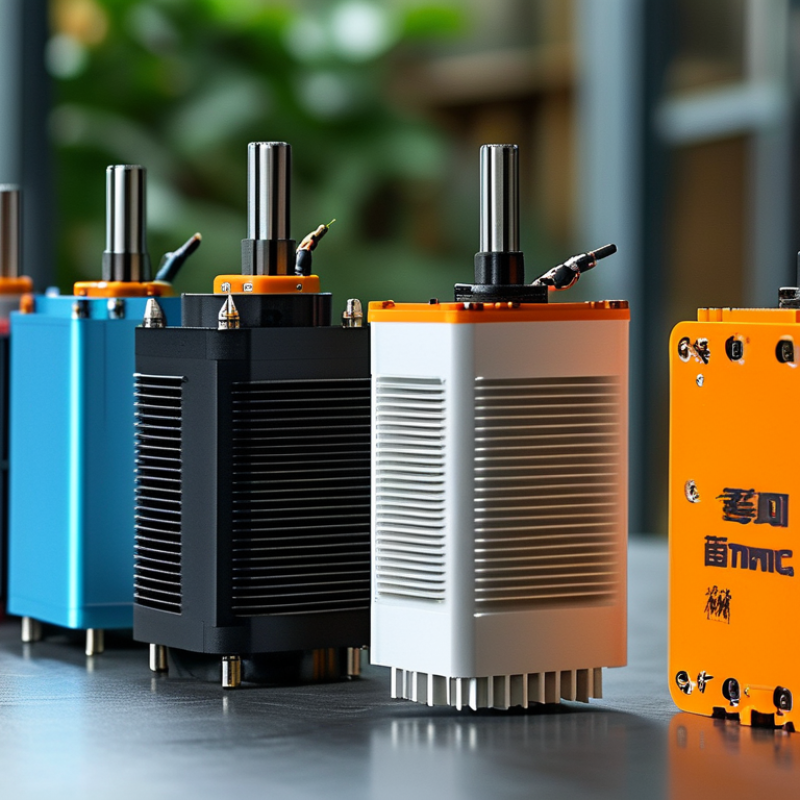
Top Tips for Choosing the Right DC Micro Vibration Motor?

Key Specifications to Consider When Selecting a DC Micro Vibration Motor

When selecting a DC micro vibration motor, several key specifications should be evaluated to ensure optimal performance. The voltage rating is crucial. Most motors operate between 1.5V to 12V, which impacts their efficiency and application. Higher voltage can lead to increased power but may also decrease motor lifespan. This balance must be understood, as an overly powerful motor can introduce unnecessary vibrations.

Another important factor is the motor's dimensions. Size constraints are common in modern devices. For instance, a motor with a diameter of 10mm can produce adequate vibration without taking up excessive space. Studies indicate that smaller motors are often favored for portable devices, yet they can compromise on torque. This trade-off becomes critical when designing wearable technology.

Vibration frequency and amplitude are also essential to consider. Reported optimal frequency ranges for effective haptic feedback are usually between 100Hz and 200Hz. A motor's specified amplitude must align with the intended user experience. In consumer electronics, feedback intensity is vital. If the amplitude is too low, it may fail to engage users. Manufacturers often report a 30% variance in performance based on these specifications. Understanding these parameters can make a significant difference in device usability.

Top Tips for Choosing the Right DC Micro Vibration Motor

Specification Description
Voltage Rating Typically ranges from 1.5V to 12V
Vibration Frequency Commonly between 100Hz to 200Hz
Dimensions Varies, typically small sizes of 10mm to 30mm diameter
Current Consumption Ranges from 30mA to 300mA
Operating Temperature Typically -20°C to +70°C
Type of Vibration Can be eccentric rotating mass or linear

Understanding the Different Types of DC Micro Vibration Motors Available

Choosing the right DC micro vibration motor can be challenging due to the variety of options available. Each type serves different functions. Understanding these differences is crucial for making the best choice.

There are several types of DC micro vibration motors. Coin motors are compact and lightweight. They are commonly used in mobile devices for haptic feedback. Linear resonant actuators (LRAs) provide precise vibrations. They often work well in wearables. Then there are eccentric rotating mass (ERM) motors. These create strong vibrations but may be less efficient than LRAs.

Selecting a motor also involves considering power consumption and size. A smaller motor might save space, but could lack intensity. Testing each motor's performance is essential. Users must prioritize their needs carefully. It’s a process of finding the right balance. Each application demands a unique solution. The journey may lead to some unexpected conclusions. Understanding these types can guide your decision.

Factors Influencing the Performance and Efficiency of Vibration Motors

When selecting a DC micro vibration motor, several factors significantly impact performance and efficiency. Power rating is crucial. It determines how much voltage and current the motor can handle. Choosing a motor with an appropriate power rating ensures efficient operation and longevity. Underrating might lead to overheating, while overrates can reduce performance.

Another important factor is the vibration frequency. This aspect affects how the motor performs in specific applications. Some applications may require low-frequency vibrations, while others benefit from higher frequencies. Knowing the requirements of your application helps in making an informed decision. Inadequate frequency matching can lead to ineffective results.

Finally, consider the design and structure of the motor. The material used in the motor contributes to its durability and performance. Cheap materials might save money but could compromise quality. Balancing cost and performance is essential. Many users overlook this aspect, resulting in frequent replacements or failures. Carefully weighing these factors can help in choosing the right product that suits your needs.

Application-Specific Requirements for Choosing the Right Motor Type

When it comes to selecting a DC micro vibration motor, application requirements play a crucial role. Consider the specific tasks your motor needs to perform. Vibration intensity and frequency will vary based on the application. For example, a motor for a mobile device may need a different vibration profile than one used in medical devices. Understanding these distinctions is critical.

Another element to evaluate is the size constraints of your application. Compact designs are often necessary for portable gadgets. However, smaller size might impact the motor’s performance. A larger motor might provide more power but won't fit in tight spaces. Users must balance size and power to achieve optimal performance.

Lastly, consider the environmental factors affecting the motor. Exposure to dust, moisture, or temperature variations can affect longevity. Selecting motors that can withstand specific conditions is essential. Regular testing and adjustments might be necessary to ensure reliability over time. Each choice made during the selection process can significantly influence how well the motor performs in real-world scenarios.

Tips for Evaluating Manufacturer Reliability and Motor Quality Standards

When selecting a DC micro vibration motor, evaluating manufacturer reliability is crucial. A reliable manufacturer will meet stringent quality standards. The International Organization for Standardization (ISO) outlines specific guidelines for motors. Compliance with ISO 9001, for example, indicates a commitment to quality management systems. This certification assures that products undergo rigorous testing. Data shows that ISO-certified companies produce 20% fewer defects per million parts, enhancing overall product reliability.

It is essential to assess the manufacturer’s production capabilities. A robust supply chain and advanced technology lead to better motor performance. According to industry reports, manufacturers with advanced testing measures see a 30% increase in client satisfaction. However, not all manufacturers invest equally in technology. Some may cut corners, leading to inconsistent quality. Researching a manufacturer’s history, including customer reviews and feedback, can provide valuable insights. Often, the most reliable manufacturers have long-standing partnerships with reputable companies.

Quality control processes are another area to scrutinize. A thorough inspection system can reveal potential flaws early. Studies indicate that companies with comprehensive quality checks reduce returns by 25%. It is important not to overlook these factors. Small savings on a lower-quality motor can result in expensive failures in the long run. Prioritizing quality ensures a better return on investment and enhanced product longevity.

FAQS

: What voltage ratings are typical for DC micro vibration motors?

: Most motors operate between 1.5V and 12V. This affects efficiency and application suitability.

Why is the motor's size important?

Size constraints are key in modern devices. A 10mm diameter motor can provide adequate vibration without excessive space usage.

How does motor size affect performance?

Smaller motors are often chosen for portability, but they might compromise torque and overall effectiveness.

What frequency range is optimal for haptic feedback?

The ideal frequency is usually between 100Hz and 200Hz. This range ensures effective user engagement.

Why is vibration amplitude significant?

Amplitude affects feedback intensity. Low amplitude can fail to engage users adequately.

What should be considered regarding application requirements?

Different applications need distinct vibration profiles. Mobile devices and medical devices have unique demands.

How do environmental factors impact motor selection?

Motors must withstand dust, moisture, and temperature changes to ensure longevity and reliable performance.

What trade-offs exist between motor size and power?

Compact designs often limit power. A larger motor delivers more power but may not fit in tight spaces.

How can manufacturers ensure motor reliability?

Regular testing and adjustments are necessary to adapt to changing conditions and maintain reliability over time.

What role does performance variance play in motor selection?

Performance can vary by 30% based on specifications. Understanding this variance is crucial for optimal device usability.

Conclusion

Choosing the right DC Micro Vibration Motor involves several critical considerations to ensure optimal performance in your application. Key specifications, such as voltage, size, and vibration frequency, play a significant role in selecting the appropriate motor. It’s essential to understand the various types available, as each can offer different efficiencies and effects based on the intended use.

Additionally, factors influencing performance, such as load conditions and operational environments, must be assessed to determine the best fit. Application-specific requirements, including the desired vibration strength and duration, will further guide your decision. Lastly, evaluating the reliability of manufacturers and adhering to quality standards is paramount to ensuring that the DC Micro Vibration Motor meets your needs effectively. By taking these aspects into account, you can confidently select a motor that aligns with your project's demands.

Ethan

Ethan

Ethan is a seasoned marketing professional with a deep expertise in our company's innovative product line. With a passion for sharing knowledge and insights, he takes the lead in regularly updating our corporate blog, where he explores industry trends, product features, and effective marketing......